
U.S. · Campaign finance
Democrats take aim at Citizens United. What could Congress actually change?
Incoming Democrats have pledged to overturn the 2010 ruling. Disclosure rules and a constitutional amendment face different votes.
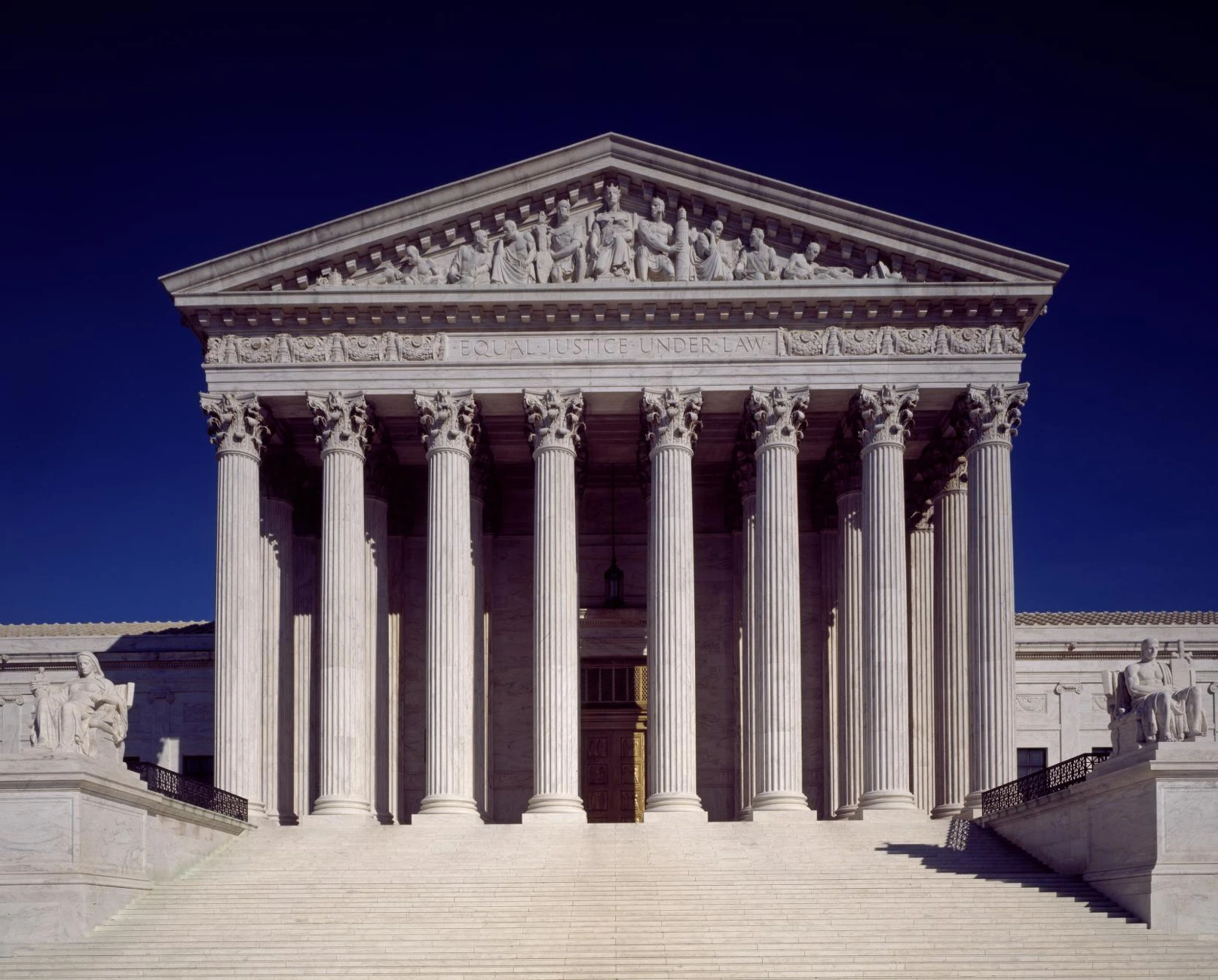
One of the new Democratic majority’s campaign promises runs into a vote it cannot take on its own. Bloomberg Law reported Friday that incoming Democratic senators and House leader Hakeem Jeffries had pledged to overturn Citizens United, the 2010 decision that struck down federal restrictions on independent election spending by corporations and unions.
The Supreme Court treated that spending as protected by the First Amendment. It upheld disclaimer and disclosure requirements challenged in the same case. The Federal Election Commission also distinguishes independent spending from direct contributions to candidates. A second case, SpeechNow.org v. FEC, struck down contribution limits as applied to groups making only independent expenditures, helping establish the legal basis for super PAC fundraising.
An ordinary bill can address disclosure within constitutional limits. House Democrats outlined such legislation in January, citing the DISCLOSE Act as a way to identify the donors behind some election spending. Reinstating the kind of limits the Court struck down would take a change in constitutional law. A proposed amendment introduced in 2025 by Sen. Adam Schiff and House colleagues would give Congress and the states authority to set reasonable, viewpoint-neutral spending limits.
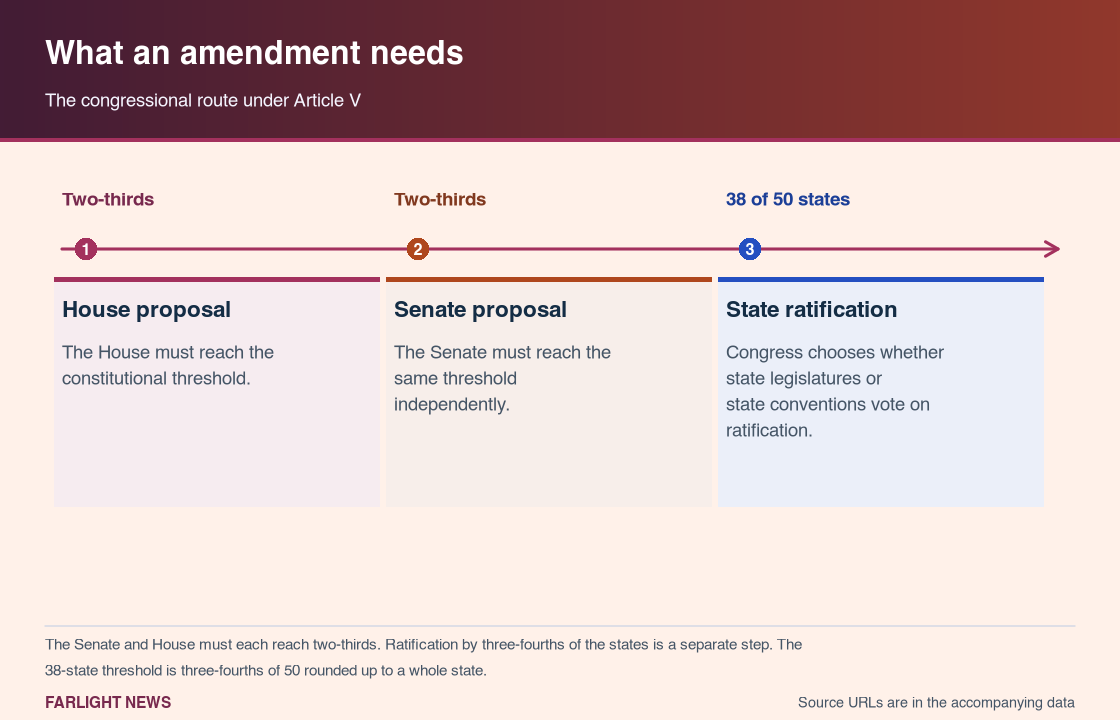
Under Article V, the congressional route requires two-thirds support in each chamber and ratification by three-fourths of the states, currently 38. The president has no approval or veto role in that process. A regular disclosure bill goes through the ordinary legislative process, which does include presidential action.
The DNC has also announced a separate rule for its 2028 primary debates. It would require candidates to disavow certain outside spending to qualify for the party’s debate stage. The first thing to look for when the new Congress convenes is the text of any proposal and who signs on. Bill text will show whether lawmakers are pursuing disclosure, new spending limits, or both.
Read the reporting

Viral
A candidate could lose a debate spot under the party’s proposal. Outside spending follows a different set of rules.
What an amendment needs
The congressional route under Article V
Sources
- Bloomberg Law’s Nov. 27 reporting on the incoming Congress
- Federal Election Commission case summary and Citizens United opinion
- Federal Election Commission summary of SpeechNow.org v. FEC
- Congressional Record on House Democrats’ campaign finance agenda
- Text of the constitutional amendment introduced in the Senate
- Article V of the U.S. Constitution
- National Archives guide to the amendment process
- DNC’s 2028 debate framework
Read next

U.S. · Cybersecurity
Reuters reported that the intrusion surfaced during an upgrade. A U.S. official confirmed the breach to NBC News. Its scope and whether data was stolen remain unclear.
U.S. · Cybersecurity
FinCEN confirmed unauthorized access to some of its systems. Affected filers received more time to submit certain financial crime and ownership reports.